





Tough new government health targets could backfire, warn nurses
Emergency, perioperative and practice nurses speak out on the impact of new health targets.

When words fail: Why hasn’t anyone listened to nurses?
Collective union action is the 'only way' nurses will achieve safe staffing after years of being ignored, safe staffing nurse advocate says.

Stomal nurses conference brings patients, nurses and doctors together
A recent conference brought together both stomal therapy nurses and those who have experienced ostomies.
News
|
Tough new government health targets could backfire, warn nurses
Emergency nurses fear tough new targets for emergency departments (EDs) will put already-stretched staff under more pressure, risking "gaming" of wait time data. |
News
 |
Health-care assistant ambitions ‘no threat’ to nurses, says new NZNO group
A new group of NZNO health-care assistants/kaiāwhina has big plans for their future -- but is reassuring nurses there is no wish to encroach on their role. |
News
 |
Faster, fairer pathways for overseas nurses into New Zealand, says Nursing Council
Concerns have been raised that newly streamlined pathways for internationally-qualified nurses (IQNs) into Aotearoa, New Zealand skip too lightly over cultural and clinical preparedness. |
News
 |
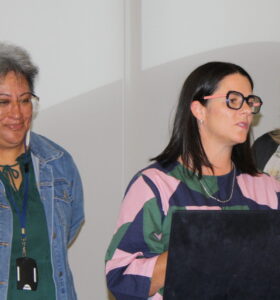
Members of NZNO's professional colleges and sections were called on to "shape the issues" facing health, at an energetic college and section day in Te Whanganui-a-tara, Wellington, this week. |
News
|
When words fail: Why hasn’t anyone listened to nurses?
Collective union action is the only way nurses will achieve safe staffing after years of being ignored, former director of the Safe Staffing Health Workplaces unit (SSHWU) Jane Lawless says. |
News
 |
Te Aka Whai Ora is gone — but the aims of Māori nurses stay true
Amid the ashes of Te Aka Whai Ora, Māori nurses will still be chasing better pay, safer staffing and culturally safe workplaces. |
News
 |
Nurse practitioner trainee numbers soar with 50 per cent funding boost
Rising confidence amid more supportive pathways are behind a leap in nurses training to become mātanga tapuhi (nurse practitioners) this year, leaders say. |
News
 |
South Island nurse prescriber programme going strong as it nears 100 graduates
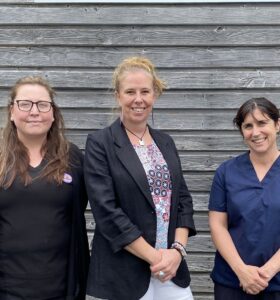
Te Waipounamu (South Island)'s first community nurse prescriber programme is celebrating two years and 52 graduates -- and there are no signs of it slowing down, its clinical education lead Nicky Burwood says. |
News
 |
Measure RNs against six pou — not 41 competencies, say nurses
As consultation on new nursing competencies closes, nurses are embracing moves towards a culturally safer workforce — but say they should be measured against a handful of pou (domains) instead of dozens of new competencies: |
Opinion
 |
What is a systematic review, and how is it useful for nurses?
All nurses know that our practice should be linked to evidence, but even the idea of reading and assessing a piece of research can be overwhelming. |
Opinion
 |
Cutting through the noise: Why whānau-centred midwifery is not erasing women
Proposed changes to a document that regulates midwifery practice in Aotearoa have caught the eye of some trans-exclusionary groups. A group of midwifery academics explains why the revisions should be celebrated. |
Practice
 |
Asthma education through the eyes of your patients
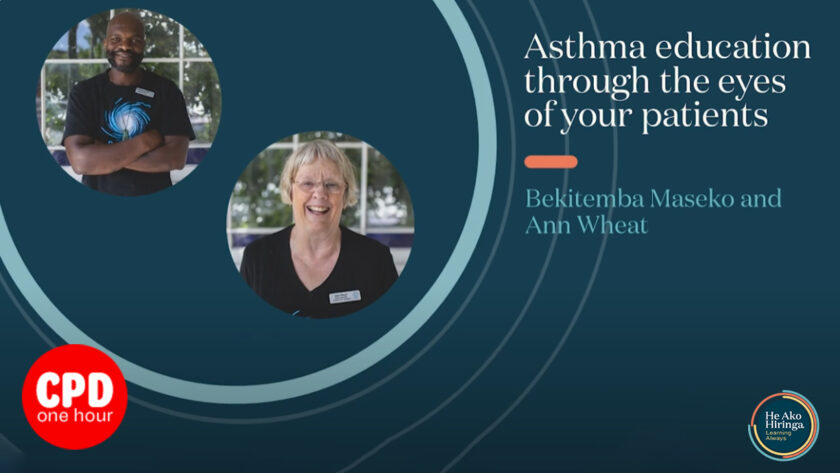
In this webinar, Asthma NZ nurse educators Bekitemba Maseko and Ann Wheat highlight the importance of asthma action plans. |
Practice
 |
What can you do to prevent the oversupply of medication?
Large amounts of unused medications accumulate in people's homes. Health professionals, including nurses, have an important role to play in reducing this medicinal waste and its harmful effects on the health budget, the environment and public safety. |
Features
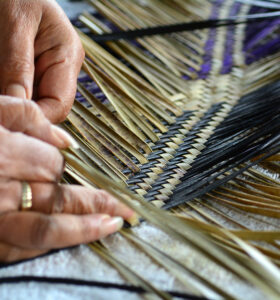 |
It’s cool to kōrero — April 2024
Ringa -- hand |
Features
 |
It’s cool to kōrero — March 2024
Upoko: head |
Features
 |
Innovative Marlborough practice, Manu Ora, proud to be recognised in business awards
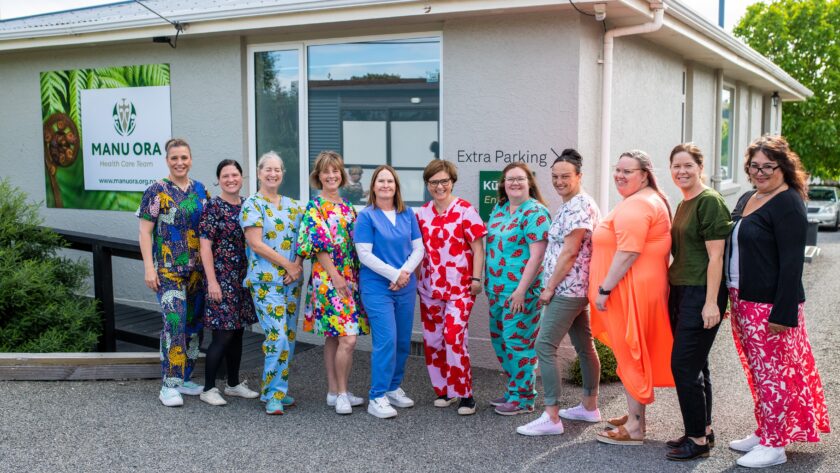
Staff at Manu Ora, a small innovative Blenheim primary health care practice, were thrilled to receive three awards at the recent Marlborough Chamber of Commerce business awards. |
Puzzles
Puzzles
Colleges & Sections
|
Stomal nurses conference brings patients, nurses and doctors together
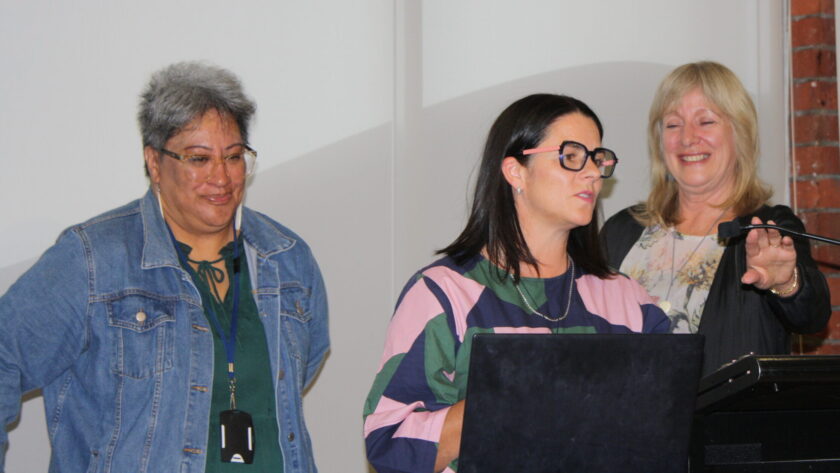
A recent conference brought together both stomal therapy nurses and those who have experienced ostomies – abdominal surgery to allow bodily waste to exit when a disease of the digestive or urinary system is present. |
Letters
|
Please send letters for publication to: [email protected]. We reserve the right to edit letters for sense and length, and will not publish letters that are libellous, incite racial, sexual or religious hatred or constitute personal attacks. Shorter letters (under 400 words) are preferred. Please include name, address, nursing qualifications and phone number. |
Letters
|
A nurse’s burnout leads to hospital for carers
In 1993 I graduated as a New Zealand registered nurse. Starting from university, we were never taught the importance of caring for ourselves, or other carers, to help meet the huge demands of our roles. |
Letters
 |
Nurses Memorial Fund is there to help
In these difficult economic times, and with another wave of COVID-19, many people are experiencing financial hardship alongside the usual life events. |
Letters
|
Survey: How are we are doing in health & safety in New Zealand?
Safeguard magazine's annual State of the Nation survey is open and we invite you to take part. |